

The rapid growth of the IT and SaaS industry has transformed how companies hire, manage, and monitor their workforce. Today, many organizations depend on contract employees, third-party vendors, project-based professionals, remote teams, and outsourced manpower to maintain operational flexibility and reduce fixed employment costs. However, handling large numbers of contractual employees manually creates challenges related to attendance tracking, compliance management, payroll coordination, shift scheduling, workforce productivity, and vendor accountability. This is where a contract labour management system IT & SaaS industry becomes essential for businesses aiming to improve workforce efficiency and regulatory compliance.
As the IT ecosystem becomes increasingly dynamic, organizations need digital solutions that can automate workforce processes while ensuring transparency and security. A modern contract labour management system IT & SaaS companies use today helps HR teams, facility managers, and project leaders simplify employee onboarding, attendance management, workforce analytics, and contractor monitoring from a centralized platform. This not only improves operational efficiency but also minimizes administrative burden and compliance risks.
Why IT & SaaS Companies Need a Contract Labour Management System
The IT and SaaS sector often operates through multiple development teams, support units, customer service departments, and project-based operations. Most organizations hire temporary employees, consultants, freelancers, housekeeping staff, security personnel, technical contractors, and maintenance teams through third-party vendors. Managing these workers manually through spreadsheets or outdated systems creates inefficiencies and increases the possibility of human error.
A contract labour management system IT & SaaS organizations rely on helps automate contractor lifecycle management from onboarding to exit. It allows businesses to digitally verify documents, manage workforce records, track attendance in real time, monitor shift timings, and ensure compliance with labor laws. With automated workflows, companies can reduce paperwork and improve workforce visibility across multiple locations.
In modern SaaS environments where hybrid and remote work models are common, workforce tracking becomes even more complicated. Organizations require cloud-based workforce solutions that offer centralized access to attendance reports, employee records, shift schedules, and vendor performance. Advanced workforce management software enables HR teams to make informed decisions based on real-time workforce analytics.
Growing Challenges in Contract Workforce Management
The IT industry experiences constant workforce fluctuations due to changing project requirements and client demands. During large-scale projects, organizations may hire hundreds of contractual employees within a short period. Without proper systems, managing these workers becomes difficult and time-consuming.
Manual attendance tracking often leads to payroll inaccuracies and compliance issues. Vendor mismanagement can result in unauthorized workforce deployment, duplicate records, and poor accountability. In addition, organizations struggle with monitoring contractor working hours, overtime management, leave tracking, and shift planning.
Another major challenge is compliance management. IT and SaaS businesses must comply with labor laws, contractor regulations, wage standards, and workplace safety requirements. Failure to maintain proper records can result in penalties and legal complications. This is why businesses are increasingly adopting digital contractor management platforms to streamline operations.
A smart contract labour management system IT & SaaS enterprises implement provides automated compliance monitoring, centralized workforce data management, and real-time reporting capabilities. These features help companies reduce compliance risks while improving workforce productivity and operational control.
Digital Transformation in Workforce Management
The IT and SaaS industry has already embraced digital transformation in software development, cloud computing, and customer relationship management. Workforce operations are now following the same path. Businesses are replacing traditional manual methods with AI-powered workforce management systems that offer automation, biometric integration, cloud access, and real-time reporting.
Digital contract workforce management improves coordination between HR departments, vendors, and project managers. Companies can instantly monitor workforce availability, contractor attendance, project allocation, and employee productivity using centralized dashboards. Cloud-based systems also support remote access, allowing managers to supervise workforce activities from anywhere.
Modern workforce automation tools help organizations reduce operational delays and enhance workforce transparency. Automated alerts for document expiry, attendance anomalies, overtime violations, and compliance deadlines ensure smoother operations. Companies can also generate detailed workforce analytics reports for better planning and resource allocation.
Key Features of a Contract Labour Management System
A modern workforce solution offers several advanced features that improve contractor management and workforce efficiency. One of the most important capabilities is digital onboarding. Organizations can collect contractor documents, verify identity records, and maintain centralized employee databases through secure digital systems.
Attendance and shift management are equally important for IT companies operating 24/7 customer support and development teams. Biometric integration, mobile attendance, GPS tracking, and cloud-based access improve attendance accuracy and eliminate proxy entries. Automated shift scheduling ensures proper workforce allocation across projects and departments.
Vendor management is another critical aspect of workforce operations. Companies working with multiple contractors require transparent vendor tracking systems to monitor worker deployment, contract validity, invoice processing, and compliance records. A contract labour management system IT & SaaS organizations adopt enables businesses to manage vendor performance efficiently through centralized monitoring tools.
Payroll coordination also becomes easier with automated attendance integration. Accurate working hours, overtime records, and leave data can be synchronized with payroll systems to reduce calculation errors and salary disputes. Workforce analytics dashboards provide detailed insights into productivity trends, contractor utilization, absenteeism patterns, and workforce costs.
Enhancing Compliance and Security
Compliance management is a major concern for IT and SaaS organizations employing contract workers. Companies must maintain accurate records related to contractor licenses, employee documents, wage payments, attendance logs, and statutory compliance.
A digital contract workforce management solution simplifies compliance by automating record maintenance and generating audit-ready reports. Organizations can receive real-time alerts for expiring contracts, missing documents, and policy violations. Automated workflows ensure that all workforce activities align with labor regulations and organizational policies.
Data security is equally important in the IT industry. Workforce management platforms with cloud security, encrypted databases, and role-based access controls help protect sensitive employee and contractor information. Secure workforce systems minimize unauthorized access and improve organizational transparency.
Workforce Productivity and Operational Efficiency
Productivity is one of the biggest performance indicators in the IT and SaaS sector. Delays in workforce coordination can directly impact project timelines, client delivery schedules, and operational efficiency. Companies therefore need systems that optimize workforce allocation and improve employee performance monitoring.
A contract labour management system IT & SaaS companies implement helps managers monitor workforce productivity in real time. Teams can identify attendance gaps, understaffed shifts, overtime trends, and contractor utilization levels through automated dashboards. Workforce planning becomes more accurate because managers gain access to real-time operational insights.
Automation also reduces repetitive administrative tasks. HR departments spend less time on manual attendance entry, report generation, and vendor coordination. This allows organizations to focus more on strategic workforce planning and employee engagement initiatives.
Role of Cloud-Based Workforce Management in SaaS Companies
Cloud technology has transformed workforce operations in the SaaS industry. Traditional on-premise workforce systems often require heavy infrastructure investments and complex maintenance processes. Cloud-based workforce management solutions eliminate these limitations by offering scalable and flexible deployment models.
Cloud-enabled contractor management systems allow organizations to access workforce data anytime and from any location. Remote teams, project managers, and HR professionals can collaborate seamlessly through centralized digital platforms. Real-time synchronization ensures accurate workforce visibility across offices and remote work environments.
Scalability is another major advantage for fast-growing SaaS companies. Businesses can easily expand workforce operations without major infrastructure changes. Whether managing 100 or 10,000 contract employees, cloud-based workforce software supports business growth while maintaining operational consistency.
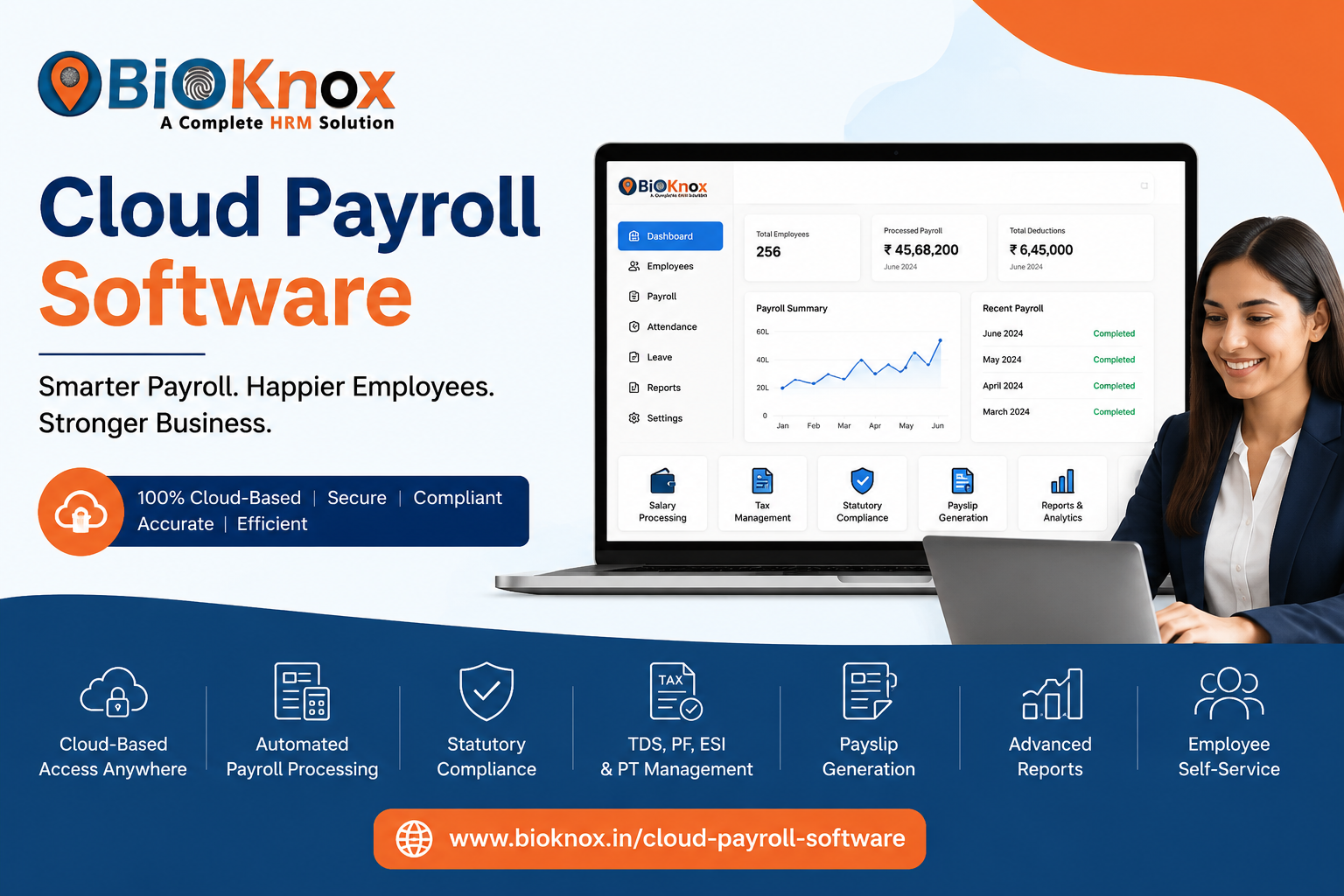
Midway through digital workforce transformation, many organizations are adopting advanced solutions like BiOKnox to automate attendance management, workforce analytics, contractor tracking, and compliance operations. These intelligent workforce systems help IT companies improve transparency and optimize labor management processes efficiently.
AI and Automation in Contract Workforce Management
Artificial intelligence is playing a growing role in workforce optimization. AI-powered workforce management solutions analyze attendance patterns, shift utilization, overtime trends, and productivity metrics to improve operational efficiency.
Predictive workforce analytics help organizations forecast staffing requirements based on project workloads and historical data. Automated scheduling systems can allocate contractors according to availability, skill requirements, and operational priorities. AI-driven alerts also help HR teams identify workforce anomalies before they impact business performance.
Automation reduces dependency on manual intervention and minimizes administrative errors. Organizations can automate contractor onboarding, attendance approvals, compliance notifications, payroll calculations, and report generation through intelligent workflows.
For IT and SaaS companies operating in highly competitive environments, AI-powered contract workforce management improves decision-making and enhances workforce agility.
Improving Employee Experience and Workforce Transparency
Modern employees and contractors expect digital convenience in workplace operations. Manual attendance systems, delayed approvals, and lack of communication negatively impact workforce satisfaction. Organizations therefore need transparent workforce platforms that provide easy access to attendance records, shift schedules, leave balances, and payment information.
A contract labour management system IT & SaaS businesses use improves workforce communication through employee self-service portals and mobile applications. Contractors can check attendance details, submit leave requests, access documents, and receive real-time notifications directly through digital platforms.
Transparency also strengthens trust between employers, contractors, and vendors. Real-time monitoring reduces disputes related to attendance, overtime, and salary calculations. Automated record management ensures accountability and operational clarity.
Future of Contract Workforce Management in IT & SaaS
The future of workforce management will be driven by automation, AI, cloud technology, and advanced analytics. As remote work and project-based hiring continue to grow, organizations will increasingly depend on digital contractor management platforms for operational efficiency.
Companies will focus more on predictive workforce planning, biometric security integration, mobile workforce tracking, and AI-powered compliance management. Workforce systems will become smarter, faster, and more integrated with enterprise applications.
Organizations that continue relying on manual workforce processes may struggle with inefficiencies, compliance risks, and operational delays. Digital transformation is no longer optional in the modern IT ecosystem. Businesses must adopt intelligent workforce management solutions to remain competitive and scalable.
Towards the future of workforce automation, BiOKnox continues helping businesses streamline contractor management, improve compliance monitoring, optimize attendance tracking, and enhance workforce productivity through advanced digital workforce solutions tailored for modern IT and SaaS operations.
Conclusion
The IT and SaaS industry depends heavily on flexible workforce models to meet changing project demands and business objectives. Managing contract workers manually is no longer practical in a fast-paced digital environment. Organizations require intelligent workforce systems that automate attendance tracking, compliance monitoring, contractor management, and workforce analytics.
A contract labour management system IT & SaaS organizations implement can significantly improve operational efficiency, reduce compliance risks, and enhance workforce transparency. With cloud-based access, AI-powered analytics, automated workflows, and centralized workforce visibility, businesses can manage contract employees more effectively while improving productivity.
As workforce management continues evolving, companies adopting modern digital solutions will gain a competitive advantage in operational control, compliance management, and workforce optimization.


