
Remote work has transformed the software development industry. Development teams now collaborate across cities, countries, and time zones. While this model improves flexibility and productivity, it also creates new HR and workforce management challenges. One of the biggest challenges is managing employee leave efficiently. A modern leave system for remote teams Software Development Companies is no longer optional—it is essential for productivity, transparency, compliance, and employee satisfaction.
Software development companies operate with tight deadlines, sprint cycles, product launches, and client delivery schedules. Even a single unplanned absence can impact project timelines. Without a structured leave management process, managers struggle with visibility, developers experience communication gaps, and HR teams spend unnecessary time handling manual approvals.
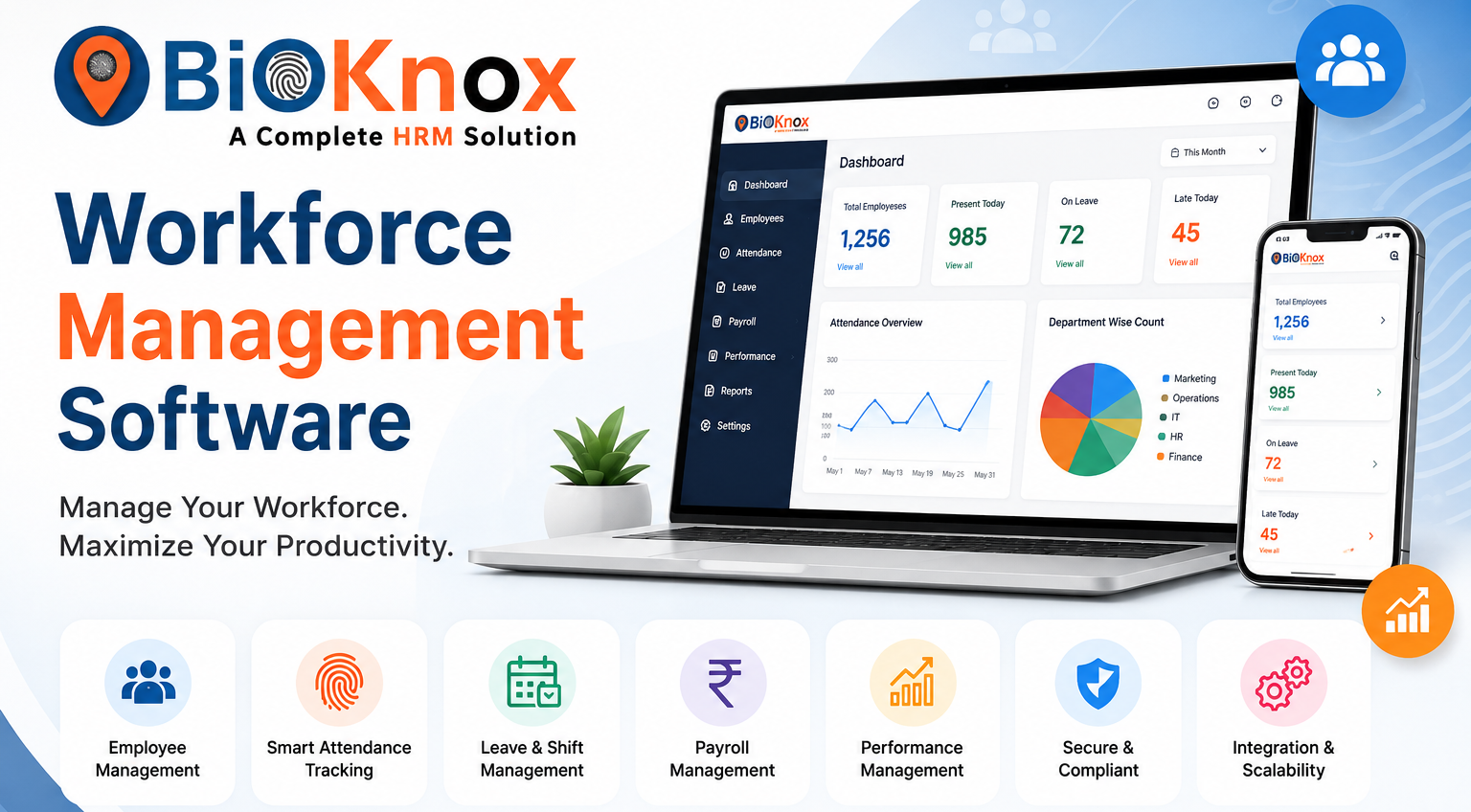
This is where advanced workforce management platforms like BiOKnox help organizations automate and streamline leave tracking for distributed software teams.
Understanding the Need for a Leave System in Remote Software Teams
Remote software development teams often work asynchronously. Developers, testers, DevOps engineers, UI/UX designers, and project managers may operate in different time zones. In such environments, managing employee availability becomes critical. A professional leave system for remote teams Software Development Companies helps organizations:
- Track employee leave requests in real time
- Avoid project resource conflicts
- Improve transparency among teams
- Reduce manual HR workload
- Ensure compliance with labor policies
- Maintain productivity during employee absences
Traditional spreadsheets and email approvals cannot handle the complexity of modern distributed software teams. Automated leave systems create centralized visibility for HR managers and project leads.
Why Software Development Companies Need Smart Leave Management
1. Agile Project Management Requires Workforce Visibility
Software companies follow Agile and Scrum methodologies where sprint planning depends heavily on resource allocation. If developers take leave unexpectedly, sprint goals may fail.
An automated leave system for remote teams Software Development Companies gives project managers visibility into planned absences before sprint assignments are finalized.
This helps companies:
- Prevent workload imbalance
- Allocate backup developers
- Maintain delivery timelines
- Reduce client escalation risks
2. Remote Teams Need Better Communication
In remote work environments, employees cannot simply walk into HR cabins or manager offices. Communication delays can create confusion about leave balances, approvals, and attendance.
Modern leave management software enables:
- Self-service leave applications
- Instant notifications
- Automated approval workflows
- Real-time leave balance tracking
These features improve employee experience significantly.
3. Reducing Administrative Burden on HR Teams
Manual leave tracking wastes HR productivity. HR professionals in software companies already manage recruitment, payroll, onboarding, compliance, and employee engagement.
Using an automated leave management platform reduces repetitive administrative tasks such as:
- Updating spreadsheets
- Verifying balances
- Sending approval reminders
- Generating leave reports
Solutions like BiOKnox simplify workforce administration for remote-first technology companies.
Key Features of an Effective Leave System for Remote Teams
A reliable leave system for remote teams Software Development Companies should include advanced features that support distributed workforce operations.
➔Centralized Leave Dashboard
A centralized dashboard allows managers and employees to view:
- Pending leave requests
- Team availability
- Holiday calendars
- Employee leave balances
- Approval status
This transparency improves operational planning.
➔Multi-Level Approval Workflow
Software development organizations usually have hierarchical approval structures involving team leads, project managers, HR, and department heads.
An automated system should support:
- Sequential approvals
- Department-specific workflows
- Emergency leave approvals
- Auto-escalation rules
➔Integration With Attendance and Payroll
Leave systems work best when integrated with:
- Attendance management software
- Payroll systems
- Workforce analytics tools
- Employee scheduling platforms
This integration eliminates duplicate data entry and payroll calculation errors.
➔Mobile Accessibility
Remote developers often work from multiple locations. Mobile-friendly leave systems allow employees to:
- Apply for leave instantly
- Upload supporting documents
- Track approval progress
- Receive notifications
Mobile access improves employee convenience.
➔Leave Policy Automation
Different software companies have different leave structures such as:
- Casual leave
- Sick leave
- Earned leave
- Compensatory off
- Maternity leave
- Paternity leave
- Work-from-home policies
An intelligent leave system for remote teams Software Development Companies automates policy calculations and accrual rules.
Common Challenges Faced Without a Leave Management System
➔Poor Resource Planning
Without centralized visibility, managers may unknowingly approve leave for multiple critical developers simultaneously.
This creates:
- Project delays
- Missed sprint deadlines
- Reduced software quality
- Increased employee stress
➔Payroll Errors
Manual leave tracking often results in incorrect salary deductions or inaccurate leave balance calculations.
Payroll inaccuracies negatively affect employee trust and HR efficiency.
➔Compliance Risks
Software companies operating globally must comply with varying labor regulations regarding paid leave and employee benefits.
Automated systems help maintain:
- Accurate records
- Audit trails
- Policy compliance
- Legal documentation
➔Employee Dissatisfaction
Remote employees expect digital-first HR experiences. Delayed approvals and unclear leave policies reduce employee satisfaction and retention.
A transparent leave system improves workplace culture and trust.
Benefits of Leave Automation for Remote Software Teams
➔Increased Productivity
When leave management becomes automated, managers spend less time on administration and more time on strategic tasks. Employees also avoid communication delays, improving workflow continuity.


